Drawing based on the label description. No photo yet.
“Isoniazid Tablets, USP 100 mg: White, Round Tablets; Debossed "West-ward" on one side and "260" on the Scored side”
Westward 260 pill
Pill with imprint Westward 260 is white, round, 8 mm and has been identified as Isoniazid 100 mg. It is used for tuberculosis (TB). It is supplied by Versapharm Incorporated.
Isoniazid 100 mg
- Imprint
- Westward 260
- Strength
- 100 mg
- Used for
- Tuberculosis (TB)
- Color
- White
- Shape
- Round
- Size
- 8 mm
- Score
- Breaks into 2 pieces
- Form
- Tablet
- Manufacturer
- Versapharm Incorporated
- Drug class
- Antibiotic
- NDC
- 61748-016, 61748-016-01
Source: the official drug label on DailyMed (US National Library of Medicine). Last checked .
Report a mistake
What is Isoniazid used for?
Isoniazid is used for tuberculosis (TB).
- Medicine type
- Antibiotic
Official uses from the US prescribing label
Isoniazid tablets, USP are recommended for all forms of tuberculosis in which organisms are susceptible. However, active tuberculosis must be treated with multiple concomitant anti-tuberculosis medications to prevent the emergence of drug resistance. Single-drug treatment of active tuberculosis with isoniazid or any other medication, is inadequate therapy.
Isoniazid tablets, USP are recommended as preventive therapy for the following groups, regardless of age. (Note: the criterion for a positive reaction to a skin test (in millimeters of induration) for each group is given in parenthesis):
- Persons with human immunodeficiency virus (HIV) infection (greater than or equal to 5 mm) and persons with risk factors for HIV infection whose HIV infection status is unknown but who are suspected of having HIV infection. Preventive therapy may be considered for HIV infected persons who are tuberculin-negative but belong to groups in which the prevalence of tuberculosis infection is high. Candidates for preventive therapy who have HIV infection should have a minimum of 12 months of therapy.
- Close contacts of persons with newly diagnosed infectious tuberculosis (greater than or equal to 5 mm). In addition, tuberculin-negative (less than 5 mm) children and adolescents who have been close contacts of infectious persons within the past 3 months are candidates for preventive therapy until a repeat tuberculin skin test is done 12 weeks after contact with the infectious source. If the repeat skin test is positive (greater than 5mm), therapy should be continued.
- Recent converters, as indicated by a tuberculin skin test (greater than or equal to 10 mm increase within a 2-year period for those less than 35 years old; greater than or equal to 15 mm increase for those greater than or equal to 35 years of age). All infants and children younger than 4 years of age with a greater than 10 mm skin test are included in this category.
- Persons with abnormal chest radiographs that show fibrotic lesions likely to represent old healed tuberculosis (greater than or equal to 5 mm). Candidates for preventive therapy who have fibrotic pulmonary lesions consistent with healed tuberculosis or who have pulmonary silicosis should have 12 months of isoniazid or 4 months of isoniazid and rifampin, concomitantly.
- Intravenous drug users known to be HIV-seronegative (greater than 10 mm).
- Persons with the following medical conditions that have been reported to increase the risk of tuberculosis (greater than or equal to 10 mm): silicosis; diabetes mellitus; prolonged therapy with adrenocorticosteroids; immunosuppressive therapy; some hematologic and reticuloendothelial diseases, such as leukemia or Hodgkin's disease; end-stage renal disease; clinical situations associated with substantial rapid weight loss or chronic undernutrition (including: intestinal bypass surgery for obesity, the postgastrectomy state [with or without weight loss], chronic peptic ulcer disease, chronic malabsorption syndromes and carcinomas of the oropharynx and upper gastrointestinal tract that prevent adequate nutritional intake). Candidates for preventive therapy who have fibrotic pulmonary lesions consistent with healed tuberculosis or who have pulmonary silicosis should have 12 months of isoniazid or 4 months of isoniazid and rifampin, concomitantly.
Additionally, in the absence of any of the above risk factors, persons under the age of 35 with a tuberculin skin test reaction of 10 mm or more are also appropriate candidates for preventive therapy if they are a member of any of the following high-incidence groups:
- Foreign-born persons from high-prevalence countries who never received BCG vaccine.
- Medically underserved low-income populations, including high-risk racial or ethnic minority populations, especially blacks, Hispanics and Native Americans.
- Residents of facilities for long-term care (e.g., correctional institutions, nursing homes and mental institutions).
Children who are less than 4 years old are candidates for isoniazid preventive therapy if they have greater than 10 mm induration from a PPD Mantoux tuberculin skin test.
Finally, persons under the age of 35 who a) have none of the above risk factors (1 to 6); b) belong to none of the high-incidence groups; and c) have a tuberculin skin test reaction of 15 mm or more, are appropriate candidates for preventive therapy.
The risk of hepatitis must be weighed against the risk of tuberculosis in positive tuberculin reactors over the age of 35. However, the use of isoniazid is recommended for those with the additional risk factors listed above (1 to 6) and on an individual basis in situations where there is likelihood of serious consequences to contacts who may become infected.
From the FDA-approved label on DailyMed (published Sep 07, 2026).
Doctors sometimes prescribe a medicine for other reasons too. If you are not sure what yours is for, ask your pharmacist.
Is this your pill? Check every detail
- One side shows West-ward and the other side shows 260.
- It is white, round, 8 mm.
- Its score line and coating match the details on this page.
- It came from a pharmacy package that names the same drug.
Ingredients
Active: Isoniazid
Inactive: Anhydrous Lactose, Calcium Stearate, Silicon Dioxide, Cellulose, Microcrystalline, Stearic Acid
Pills that look similar but are different drugs
Same color and shape, different medicine. This is why the imprint matters.
-
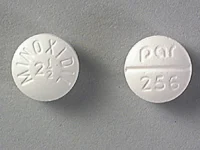 par 256 MINOXIDIL 2 1 2
Minoxidil 2.5 mg
White, round, 7 mm
Used for severe high blood pressure and hair loss
-
 A62
Everolimus 2 mg
White, round, 9 mm
Used for seizures
-
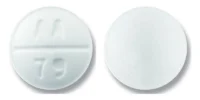 AA 79
Nadolol 40 mg
White, round, 9 mm
Used for high blood pressure and heart failure
-
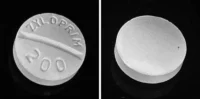 ZYLOPRIM 200
Allopurinol 200 mg
White, round, 9 mm
Used for gout
-
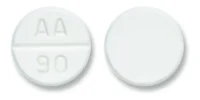 AA 90
Albuterol 4 mg
White, round, 9 mm
Used for asthma and bronchial spasm
-
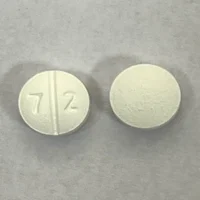 7 2
Tramadol Hydrochloride 50 mg
White, round, 8 mm
Used for pain
Schedule IV
Other Isoniazid pills
-
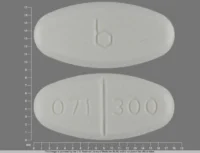 b 071 300
Isoniazid 300 mg
White, oval, 18 mm
Used for tuberculosis (TB)
- b 066 100 Isoniazid 100 mg White, round, 9 mm Used for tuberculosis (TB)
- G L 01 Isoniazid 100 mg White, round, 9 mm Used for tuberculosis (TB)
- Westward 261 Isoniazid 300 mg White, round, 11 mm Used for tuberculosis (TB)
- 071 300 Isoniazid 300 mg White, oval, 18 mm Used for tuberculosis (TB)
- LAN 1109 Isoniazid 300 mg White, round, 10 mm Used for tuberculosis (TB)
- CE 172 Isoniazid 300 mg White, round, 10 mm Used for tuberculosis (TB)
- G L 03 Isoniazid 300 mg White, oval, 18 mm Used for tuberculosis (TB)