Drawing based on the label description. No photo yet.
“Dextroamphetamine saccharate, amphetamine aspartate, dextroamphetamine sulfate and amphetamine sulfate tablets 5 mg: Green colored, round tablets, debossed with W371 on one side, double scored on the other side”
W371 pill
Pill with imprint W371 is green, round, 6 mm and has been identified as Dextroamphetamine Saccharate, Amphetamine Aspartate, Dextroamphetamine Sulfate, and Amphetamine Sulfate 1.25 mg / 1.25 mg / 1.25 mg / 1.25 mg. It is used for ADHD. It is supplied by Accord Healthcare, Inc.
Controlled substance: Schedule II
Dextroamphetamine Saccharate, Amphetamine Aspartate, Dextroamphetamine Sulfate, and Amphetamine Sulfate 1.25 mg / 1.25 mg / 1.25 mg / 1.25 mg
- Imprint
- W371
- Strength
- Dextroamphetamine Saccharate 1.25 mg / Amphetamine Aspartate Monohydrate 1.25 mg / Dextroamphetamine Sulfate 1.25 mg / Amphetamine Sulfate 1.25 mg
- Used for
- ADHD
- Color
- Green
- Shape
- Round
- Size
- 6 mm
- Score
- Breaks into 4 pieces
- Form
- Tablet
- Manufacturer
- Accord Healthcare, Inc
- Drug class
- Stimulant (ADHD medicine)
- NDC
- 16729-534, 16729-534-01
Source: the official drug label on DailyMed (US National Library of Medicine). Last checked .
Report a mistake
All Dextroamphetamine and Amphetamine and and Amphetamine pills and guides
What is Dextroamphetamine and Amphetamine and and Amphetamine used for?
Dextroamphetamine and Amphetamine and and Amphetamine is used for ADHD.
- Medicine type
- Stimulant (ADHD medicine)
Official uses from the US prescribing label
Dextroamphetamine saccharate, amphetamine aspartate, dextroamphetamine sulfate and amphetamine sulfate tablets are indicated for the treatment of Attention Deficit Hyperactivity Disorder (ADHD) and Narcolepsy.
Attention Deficit Hyperactivity Disorder (ADHD)
A diagnosis of Attention Deficit Hyperactivity Disorder (ADHD; DSM-IV ®) implies the presence of hyperactive-impulsive or inattentive symptoms that caused impairment and were present before age 7 years. The symptoms must cause clinically significant impairment, e.g., in social, academic, or occupational functioning, and be present in two or more settings, e.g., school (or work) and at home. The symptoms must not be better accounted for by another mental disorder. For the Inattentive Type, at least six of the following symptoms must have persisted for at least 6 months: lack of attention to details/careless mistakes; lack of sustained attention; poor listener; failure to follow through on tasks; poor organization; avoids tasks requiring sustained mental effort; loses things; easily distracted; forgetful. For the Hyperactive-Impulsive Type, at least six of the following symptoms must have persisted for at least 6 months: fidgeting/squirming; leaving seat; inappropriate running/climbing; difficulty with quiet activities; “on the go;” excessive talking; blurting answers; can't wait turn; intrusive. The Combined Type requires both inattentive and hyperactive-impulsive criteria to be met.
Special Diagnostic Considerations
Specific etiology of this syndrome is unknown, and there is no single diagnostic test. Adequate diagnosis requires the use not only of medical but of special psychological, educational, and social resources. Learning may or may not be impaired. The diagnosis must be based upon a complete history and evaluation of the child and not solely on the presence of the required number of DSM-IV ® characteristics.
Need for Comprehensive Treatment Program
Dextroamphetamine saccharate, amphetamine aspartate, dextroamphetamine sulfate and amphetamine sulfate tablets are indicated as an integral part of a total treatment program for ADHD that may include other measures (psychological, educational, social) for patients with this syndrome. Drug treatment may not be indicated for all children with this syndrome. Stimulants are not intended for use in the child who exhibits symptoms secondary to environmental factors and/or other primary psychiatric disorders, including psychosis. Appropriate educational placement is essential and psychosocial intervention is often helpful. When remedial measures alone are insufficient, the decision to prescribe stimulant medication will depend upon the physician's assessment of the chronicity and severity of the child's symptoms.
Long-Term Use
The effectiveness of Dextroamphetamine saccharate, amphetamine aspartate, dextroamphetamine sulfate and amphetamine sulfate tablets for long-term use has not been systematically evaluated in controlled trials. Therefore, the physician who elects to use Dextroamphetamine saccharate, amphetamine aspartate, dextroamphetamine sulfate and amphetamine sulfate tablets for extended periods should periodically re-evaluate the long-term usefulness of the drug for the individual patient.
From the FDA-approved label on DailyMed (published Nov 24, 2025).
Doctors sometimes prescribe a medicine for other reasons too. If you are not sure what yours is for, ask your pharmacist.
Is this your pill? Check every detail
- One side shows W371 and the other side has only a score line.
- It is green, round, 6 mm.
- Its score line and coating match the details on this page.
- It came from a pharmacy package that names the same drug.
Ingredients
Active: Dextroamphetamine Saccharate, Amphetamine Aspartate Monohydrate, Dextroamphetamine Sulfate, Amphetamine Sulfate
Inactive: Microcrystalline Cellulose, Povidone, Starch, Corn, Crospovidone, Magnesium Stearate, Fd&c Blue No. 1, Fd&c Yellow No. 6
Pills that look similar but are different drugs
Same color and shape, different medicine. This is why the imprint matters.
-
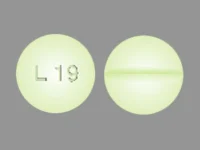 L19
Levothyroxine Sodium 0.088 mg
Green, round, 6 mm
Used for goiter and myxedema
-
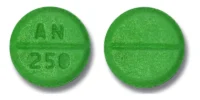 AN 250
Chlorthalidone 50 mg
Green, round, 7 mm
Used for high blood pressure and heart failure
-
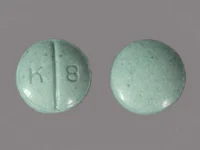 K 8
Oxycodone Hydrochloride 15 mg
Green, round, 6 mm
Used for postoperative pain
Schedule II
-
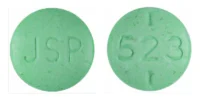 JSP 523
Levothyroxine Sodium 0.3 mg
Green, round, 7 mm
Used for goiter and myxedema
-
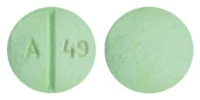 A 49
Oxycodone 15 mg
Green, round, 6 mm
Used for postoperative pain
Schedule II
-
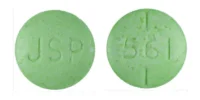 JSP 561
Levothyroxine Sodium 88 mcg
Green, round, 7 mm
Used for goiter and myxedema
Other Dextroamphetamine and Amphetamine and and Amphetamine pills
-
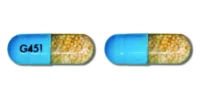 G451
Dextroamphetamine Saccharate, Amphetamine Aspartate, Dextroamphetamine Sulfate, and Amphetamine Sulfate 1.25 mg / 1.25 mg / 1.25 mg / 1.25 mg
Brown & turquoise, capsule, 16 mm
Used for ADHD
Schedule II
-
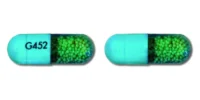 G452
Dextroamphetamine Saccharate, Amphetamine Aspartate, Dextroamphetamine Sulfate, and Amphetamine Sulfate 2.5 mg / 2.5 mg / 2.5 mg / 2.5 mg
Turquoise, capsule, 16 mm
Used for ADHD
Schedule II
-
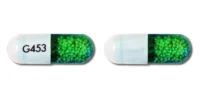 G453
Dextroamphetamine Saccharate, Amphetamine Aspartate, Dextroamphetamine Sulfate, and Amphetamine Sulfate 3.75 mg / 3.75 mg / 3.75 mg / 3.75 mg
Turquoise & white, capsule, 18 mm
Used for ADHD
Schedule II
-
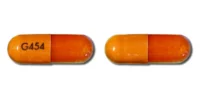 G454
Dextroamphetamine Saccharate, Amphetamine Aspartate, Dextroamphetamine Sulfate, and Amphetamine Sulfate 5 mg / 5 mg / 5 mg / 5 mg
Brown, capsule, 18 mm
Used for ADHD
Schedule II
-
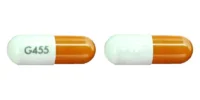 G455
Dextroamphetamine Saccharate, Amphetamine Aspartate, Dextroamphetamine Sulfate, and Amphetamine Sulfate 6.25 mg / 6.25 mg / 6.25 mg / 6.25 mg
Brown & white, capsule, 21 mm
Used for ADHD
Schedule II
-
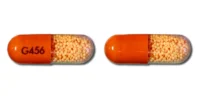 G456
Dextroamphetamine Saccharate, Amphetamine Aspartate, Dextroamphetamine Sulfate, and Amphetamine Sulfate 7.5 mg / 7.5 mg / 7.5 mg / 7.5 mg
Brown, capsule, 21 mm
Used for ADHD
Schedule II
- MP 441 Dextroamphetamine Saccharate, Amphetamine Aspartate, Dextroamphetamine Sulfate, and Amphetamine Sulfate Green, round, 6 mm Used for ADHD Schedule II
- MP 442 Dextroamphetamine Saccharate, Amphetamine Aspartate, Dextroamphetamine Sulfate, and Amphetamine Sulfate Green, oval, 10 mm Used for ADHD Schedule II