Drawing based on the label description. No photo yet.
“Ciprofloxacin Tablets USP, 500 mg are available as white to off white, oval, biconvex, unscored, film-coated tablets, debossed "TEVA" on one side and "5312" on the other side containing ciprofloxacin hydrochloride USP equivalent to 500 mg ciprofloxacin”
TEVA 5312 pill
Pill with imprint TEVA 5312 is white, oval, 16 mm and has been identified as Ciprofloxacin Hydrochloride Tablet 500 mg. It is used for urinary tract infections (UTIs) and bacterial infections. It is supplied by Redpharm Drug Inc.
Ciprofloxacin Hydrochloride Tablet 500 mg
- Imprint
- TEVA 5312
- Strength
- 500 mg
- Used for
- Urinary tract infections (UTIs) and bacterial infections
- Color
- White
- Shape
- Oval
- Size
- 16 mm
- Score
- No score line
- Form
- Tablet
- Manufacturer
- Redpharm Drug Inc
- NDC
- 67296-0543, 0172-5312, 67296-0543-2, 67296-0543-3, 67296-0543-4, 67296-0543-5
Source: the official drug label on DailyMed (US National Library of Medicine). Last checked .
Report a mistake
What is Ciprofloxacin Hydrochloride Tablet used for?
Ciprofloxacin Hydrochloride Tablet is used for urinary tract infections (UTIs) and bacterial infections.
Official uses from the US prescribing label
Ciprofloxacin Tablets USP are indicated for the treatment of infections caused by susceptible strains of the designated microorganisms in the conditions and patient populations listed below. Please see DOSAGE AND ADMINISTRATION for specific recommendations.
Adult Patients
Urinary Tract Infections caused by Escherichia coli, Klebsiella pneumoniae, Enterobacter cloacae, Serratia marcescens, Proteus mirabilis, Providencia rettgeri, Morganella morganii, Citrobacter diversus, Citrobacter freundii, Pseudomonas aeruginosa, methicillin-susceptible Staphylococcus epidermidis, Staphylococcus saprophyticus, or Enterococcus faecalis.
Acute Uncomplicated Cystitis in females caused by Escherichia coli or Staphylococcus saprophyticus.
Chronic Bacterial Prostatitis caused by Escherichia coli or Proteus mirabilis.
Lower Respiratory Tract Infections caused by Escherichia coli, Klebsiella pneumoniae, Enterobacter cloacae, Proteus mirabilis, Pseudomonas aeruginosa, Haemophilus influenzae, Haemophilus parainfluenzae, or penicillin-susceptible Streptococcus pneumoniae. Also, Moraxella catarrhalis for the treatment of acute exacerbations of chronic bronchitis.
NOTE: Although effective in clinical trials, ciprofloxacin is not a drug of first choice in the treatment of presumed or confirmed pneumonia secondary to Streptococcus pneumoniae.
Acute Sinusitis caused by Haemophilus influenzae, penicillin-susceptible Streptococcus pneumoniae, or Moraxella catarrhalis.
Skin and Skin Structure Infections caused by Escherichia coli, Klebsiella pneumoniae, Enterobacter cloacae, Proteus mirabilis, Proteus vulgaris, Providencia stuartii, Morganella morganii, Citrobacter freundii, Pseudomonas aeruginosa, methicillin-susceptible Staphylococcus aureus, methicillin-susceptible Staphylococcus epidermidis, or Streptococcus pyogenes.
Bone and Joint Infections caused by Enterobacter cloacae, Serratia marcescens, or Pseudomonas aeruginosa.
Complicated Intra-Abdominal Infections (used in combination with metronidazole) caused by Escherichia coli, Pseudomonas aeruginosa, Proteus mirabilis, Klebsiella pneumoniae, or Bacteroides fragilis.
Infectious Diarrhea caused by Escherichia coli (enterotoxigenic strains), Campylobacter jejuni, Shigella boydii*, Shigella dysenteriae, Shigella flexneri or Shigella sonnei* when antibacterial therapy is indicated.
Typhoid Fever (Enteric Fever) caused by Salmonella typhi.
NOTE: The efficacy of ciprofloxacin in the eradication of the chronic typhoid carrier state has not been demonstrated.
Uncomplicated cervical and urethral gonorrhea due to Neisseria gonorrhoeae.
Pediatric patients (1 to 17 years of age)
Complicated Urinary Tract Infections and Pyelonephritis due to Escherichia coli.
NOTE: Although effective in clinical trials, ciprofloxacin is not a drug of first choice in the pediatric population due to an increased incidence of adverse events compared to controls, including events related to joints and/or surrounding tissues (see WARNINGS, PRECAUTIONS, Pediatric Use, ADVERSE REACTIONS and CLINICAL STUDIES).
Ciprofloxacin, like other fluoroquinolones, is associated with arthropathy and histopathological changes in weight-bearing joints of juvenile animals (see ANIMAL PHARMACOLOGY).
Adult and Pediatric Patients
Inhalational anthrax (post-exposure): To reduce the incidence or progression of disease following exposure to aerosolized Bacillus anthracis.
Ciprofloxacin serum concentrations achieved in humans served as a surrogate endpoint reasonably likely to predict clinical benefit and provided the initial basis for approval of this indication.5
Supportive clinical information for ciprofloxacin for anthrax post-exposure prophylaxis was obtained during the anthrax bioterror attacks of October 2001 (see also, INHALATIONAL ANTHRAX – ADDITIONAL INFORMATION).
*Although treatment of infections due to this organism in this organ system demonstrated a clinically significant outcome, efficacy was studied in fewer than 10 patients.
If anaerobic organisms are suspected of contributing to the infection, appropriate therapy should be administered. Appropriate culture and susceptibility tests should be performed before treatment in order to isolate and identify organisms causing infection and to determine their susceptibility to ciprofloxacin. Therapy with ciprofloxacin may be initiated before results of these tests are known; once results become available appropriate therapy should be continued. As with other drugs, some strains of Pseudomonas aeruginosa may develop resistance fairly rapidly during treatment with ciprofloxacin. Culture and susceptibility testing performed periodically during therapy will provide information not only on the therapeutic effect of the antimicrobial agent but also on the possible emergence of bacterial resistance.
To reduce the development of drug-resistant bacteria and maintain the effectiveness of ciprofloxacin tablets and other antibacterial drugs, ciprofloxacin tablets should be used only to treat or prevent infections that are proven or strongly suspected to be caused by susceptible bacteria. When culture and susceptibility information are available, they should be considered in selecting or modifying antibacterial therapy. In the absence of such data, local epidemiology and susceptibility patterns may contribute to the empiric selection of therapy.
From the FDA-approved label on DailyMed (published Jun 27, 2011).
Doctors sometimes prescribe a medicine for other reasons too. If you are not sure what yours is for, ask your pharmacist.
Is this your pill? Check every detail
- One side shows TEVA and the other side shows 5312.
- It is white, oval, 16 mm.
- Its score line and coating match the details on this page.
- It came from a pharmacy package that names the same drug.
Sold under the brand name Ciprofloxacin Hydrochloride.
Ingredients
Active: Ciprofloxacin Hydrochloride
Inactive: Silicon Dioxide, Hypromelloses, Magnesium Stearate, Cellulose, Microcrystalline, Polydextrose, Polyethylene Glycol, Starch, Corn, Sodium Starch Glycolate Type A Potato, Talc, Titanium Dioxide, Triacetin
Other pills with imprint TEVA 5312
Same imprint, different listing. Check the color, size and maker against your pill.
Pills that look similar but are different drugs
Same color and shape, different medicine. This is why the imprint matters.
-
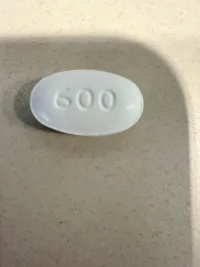 G 600
Guaifenesin 600 mg
White, oval, 16 mm
Used for bronchitis and year-round allergies
-
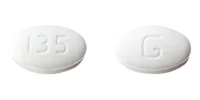 G 135
Abiraterone Acetate 250 mg
White, oval, 16 mm
Used for castration-resistant prostatic neoplasms
-
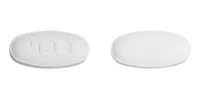 438
Olmesartan Medoxomil 40 mg
White, oval, 15 mm
Used for high blood pressure and heart failure
-
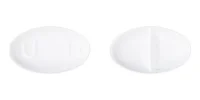 U11 Breakline
Ursodiol 500 mg
White, oval, 16 mm
Used for cholelithiasis and biliary liver cirrhosis
-
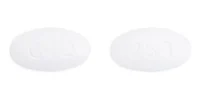 G72 250
Ursodiol 250 mg
White, oval, 15 mm
Used for cholelithiasis and biliary liver cirrhosis
-
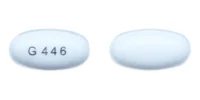 G446
Sevelamer Hydrochloride 400 mg
White, oval, 15 mm
Used for hyperphosphatemia