Drawing based on the label description. No photo yet.
STN 25 pill
Pill with imprint STN 25 is yellow, capsule, 14 mm and has been identified as Sunitinib Malate 25 mg. It is used for renal cell carcinoma, pancreatic neoplasms and neuroendocrine tumors. It is supplied by Novugen Pharma (Usa) Llc.
Sunitinib Malate 25 mg
- Imprint
- STN 25
- Strength
- 25 mg
- Used for
- Renal cell carcinoma, pancreatic neoplasms and neuroendocrine tumors
- Color
- Yellow
- Shape
- Capsule / oblong
- Size
- 14 mm
- Score
- No score line
- Form
- Capsule
- Manufacturer
- Novugen Pharma (Usa) Llc
- Drug class
- Cancer medicine (kinase inhibitor)
- NDC
- 82293-015, 82293-015-10
Source: the official drug label on DailyMed (US National Library of Medicine). Last checked .
Report a mistake
What is Sunitinib Malate used for?
Sunitinib Malate is used for renal cell carcinoma, pancreatic neoplasms and neuroendocrine tumors.
- Medicine type
- Cancer medicine (kinase inhibitor)
Official uses from the US prescribing label
Gastrointestinal Stromal Tumor
Sunitinib malate capsules are indicated for the treatment of adult patients with gastrointestinal stromal tumor (GIST) after disease progression on or intolerance to imatinib mesylate.
Advanced Renal Cell Carcinoma
Sunitinib malate capsules are indicated for the treatment of adult patients with advanced renal cell carcinoma (RCC).
Adjuvant Treatment of Renal Cell Carcinoma
Sunitinib malate capsules are indicated for the adjuvant treatment of adult patients at high risk of recurrent RCC following nephrectomy.
Advanced Pancreatic Neuroendocrine Tumors
Sunitinib malate capsules are indicated for the treatment of progressive, well-differentiated pancreatic neuroendocrine tumors (pNET) in adult patients with unresectable locally advanced or metastatic disease.
From the FDA-approved label on DailyMed (published Sep 02, 2026).
Doctors sometimes prescribe a medicine for other reasons too. If you are not sure what yours is for, ask your pharmacist.
Is this your pill? Check every detail
- Your pill shows STN 25. The parts can be split between the two sides, so turn the pill over and check both.
- It is yellow, capsule, 14 mm.
- Its score line and coating match the details on this page.
- It came from a pharmacy package that names the same drug.
Ingredients
Active: Sunitinib Malate
Inactive: Croscarmellose Sodium, Magnesium Stearate, Mannitol, Povidone, Titanium Dioxide, Ferric Oxide Red, Ferrosoferric Oxide, Ferric Oxide Yellow, Shellac, Propylene Glycol, Potassium Hydroxide, Gelatin
Pills that look similar but are different drugs
Same color and shape, different medicine. This is why the imprint matters.
-
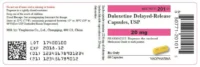 Y201 20mg
Duloxetine Hydrochloride 20 mg
Yellow, capsule, 14 mm
Used for nerve pain from diabetes and anxiety
-
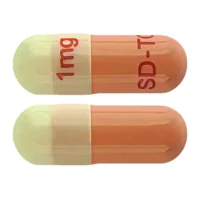 SD TC 1 mg
Tacrolimus 1 mg
Orange & yellow, capsule, 14 mm
Used for eczema
-
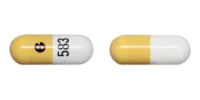 G 583
Aprepitant 40 mg
White & yellow, capsule, 14 mm
Used for nausea and vomiting
-
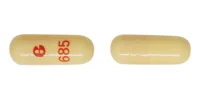 G 685
Tacrolimus 0.5 mg
Yellow, capsule, 14 mm
Used for eczema
-
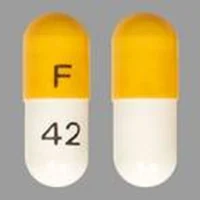 F 42
Atomoxetine 18 mg
White & yellow, capsule, 14 mm
Used for ADHD
-
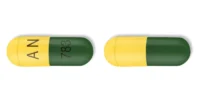 AN 783
Memantine Hydrochloride 14 mg
Green & yellow, capsule, 14 mm
Used for Alzheimer's disease
Other Sunitinib Malate pills
- SC 12 5 Sunitinib Malate 12.5 mg Gray, capsule, 14 mm Used for renal cell carcinoma and pancreatic neoplasms
- MYLAN SM 12 5 Sunitinib Malate 12.5 mg Pink, capsule, 14 mm Used for renal cell carcinoma and pancreatic neoplasms
- STN 12 5 Sunitinib Malate 12.5 mg Yellow, capsule, 11 mm Used for renal cell carcinoma and pancreatic neoplasms
- RM53 RM53 Sunitinib Malate 12.5 mg Brown, capsule, 14 mm Used for renal cell carcinoma and pancreatic neoplasms
- S12 5 Sunitinib Malate 12.5 mg Red, capsule, 14 mm Used for renal cell carcinoma and pancreatic neoplasms
- 6 MS Sunitinib Malate 12.5 mg Orange, capsule, 14 mm Used for renal cell carcinoma and pancreatic neoplasms
- TEVA 8199 TEVA 8199 Sunitinib Malate 12.5 mg Red, capsule, 14 mm Used for renal cell carcinoma and pancreatic neoplasms
- Pfizer STN 12 5 mg Sunitinib Malate 12.5 mg Orange, capsule, 14 mm Used for renal cell carcinoma and pancreatic neoplasms