Drawing based on the label description. No photo yet.
“Amantadine hydrochloride capsules, USP for oral administration are available as: 100 mg: Red capsules imprinted GG 634”
GG634 pill
Pill with imprint GG634 is red, capsule, 18 mm and has been identified as Amantadine Hydrochloride 100 mg. It is used for Parkinson's disease and flu. It is supplied by Stat Rx USA LLC.
Amantadine Hydrochloride 100 mg
- Imprint
- GG634
- Strength
- 100 mg
- Used for
- Parkinson's disease and flu
- Color
- Red
- Shape
- Capsule / oblong
- Size
- 18 mm
- Score
- No score line
- Form
- Capsule
- Manufacturer
- Stat Rx USA LLC
- Drug class
- Influenza a m2 protein inhibitor
- NDC
- 16590-008, 0781-2048, 16590-008-10, 16590-008-30, 16590-008-60, 16590-008-90, 33261-773, 33261-773-10, 33261-773-30, 33261-773-60, 33261-773-90, 54868-0800, 54868-0800-0, 54868-0800-1, 54868-0800-2, 54868-0800-3, 54868-0800-7, 54868-0800-4, 43353-947, 43353-947-05, 68151-2991, 68151-2991-0, 50090-0020, 50090-0020-3, 50090-0020-0
Source: the official drug label on DailyMed (US National Library of Medicine). Last checked .
Report a mistake
What is Amantadine used for?
Amantadine is used for Parkinson's disease and flu.
- Medicine type
- Influenza a m2 protein inhibitor
Official uses from the US prescribing label
Amantadine hydrochloride capsules, USP are indicated for the prophylaxis and treatment of signs and symptoms of infection caused by various strains of influenza A virus. Amantadine hydrochloride capsules, USP are also indicated in the treatment of parkinsonism and drug-induced extrapyramidal reactions.
Influenza A Prophylaxis
Amantadine hydrochloride capsules, USP are indicated for chemoprophylaxis against signs and symptoms of influenza A virus infection. Because amantadine does not completely prevent the host immune response to influenza A infection, individuals who take this drug may still develop immune responses to natural disease or vaccination and may be protected when later exposed to antigenically related viruses. Following vaccination during an influenza A outbreak, amantadine prophylaxis should be considered for the 2- to 4-week time period required to develop an antibody response.
Influenza A Treatment
Amantadine hydrochloride capsules, USP are also indicated in the treatment of uncomplicated respiratory tract illness caused by influenza A virus strains especially when administered early in the course of illness. There are no well-controlled clinical studies demonstrating that treatment with amantadine hydrochloride capsules, USP will avoid the development of influenza A virus pneumonitis or other complications in high risk patients.
There is no clinical evidence indicating that amantadine hydrochloride capsules, USP are effective in the prophylaxis or treatment of viral respiratory tract illnesses other than those caused by influenza A virus strains.
The following points should be considered before initiating treatment or prophylaxis with amantadine hydrochloride capsules, USP.
- Amantadine hydrochloride capsules, USP are not a substitute for early vaccination on an annual basis as recommended by the Centers for Disease Control and Prevention Advisory Committee on Immunization Practices.
- Influenza viruses change over time. Emergence of resistance mutations could decrease drug effectiveness. Other factors (for example, changes in viral virulence) might also diminish clinical benefit of antiviral drugs. Prescribers should consider available information on influenza drug susceptibility patterns and treatment effects when deciding whether to use amantadine hydrochloride capsules, USP.
Parkinson’s Disease/Syndrome
Amantadine hydrochloride capsules, USP are indicated in the treatment of idiopathic Parkinson's disease (Paralysis Agitans), postencephalitic parkinsonism and symptomatic parkinsonism which may follow injury to the nervous system by carbon monoxide intoxication. It is indicated in those elderly patients believed to develop parkinsonism in association with cerebral arteriosclerosis. In the treatment of Parkinson's disease, amantadine is less effective than levodopa, (-)-3-(3,4-dihydroxyphenyl)-L-alanine, and its efficacy in comparison with the anticholinergic antiparkinson drugs has not yet been established.
Drug-Induced Extrapyramidal Reactions
Amantadine hydrochloride is indicated in the treatment of drug-induced extrapyramidal reactions. Although anticholinergic-type side effects have been noted with amantadine when used in patients with drug-induced extrapyramidal reactions, there is a lower incidence of these side effects than that observed with the anticholinergic antiparkinson drugs.
From the FDA-approved label on DailyMed (published Jun 18, 2026).
Doctors sometimes prescribe a medicine for other reasons too. If you are not sure what yours is for, ask your pharmacist.
Is this your pill? Check every detail
- Your pill shows GG634.
- It is red, capsule, 18 mm.
- Its score line and coating match the details on this page.
- It came from a pharmacy package that names the same drug.
Ingredients
Active: Amantadine Hydrochloride
Inactive: Starch, Corn, Croscarmellose Sodium, Ethylcellulose (7 Mpa.s), Fd&c Blue No. 1, Fd&c Red No. 40, Gelatin, Magnesium Stearate, Methylparaben, Cellulose, Microcrystalline, Propylparaben, Sodium Lauryl Sulfate, Titanium Dioxide
Also distributed by
Aidarex Pharmaceuticals LLC, Physicians Total Care, Inc., Aphena Pharma Solutions - Tennessee, LLC, Carilion Materials Management, A-S Medication Solutions
Pills that look similar but are different drugs
Same color and shape, different medicine. This is why the imprint matters.
-
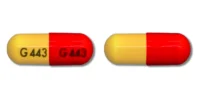 G443 G443
Dantrolene Sodium 100 mg
Red & yellow, capsule, 19 mm
Used for multiple sclerosis and muscle stiffness (spasticity)
-
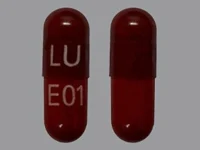 LU E01
Rifampin 150 mg
Red, capsule, 18 mm
Used for tuberculosis (TB) and brucellosis
-
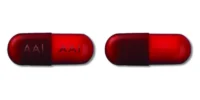 AA1
Methyltestosterone 10 mg
Red, capsule, 18 mm
Used for low testosterone and erectile dysfunction (ED)
Schedule III
-
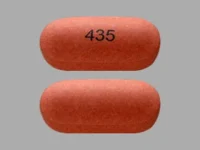 435
Mesalamine 800 mg
Red, capsule, 19 mm
Used for ulcerative colitis and proctitis
-
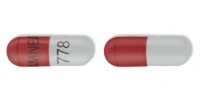 AMNEAL 778
Budesonide 3 mg
Gray & red, capsule, 19 mm
Used for inflammatory bowel disease and year-round allergies
-
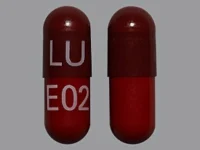 LU E02
Rifampin 300 mg
Red, capsule, 19 mm
Used for tuberculosis (TB) and brucellosis
Other Amantadine pills
-
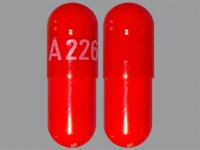 A226
Amantadine 100 mg
Red, capsule, 18 mm
Used for Parkinson's disease and flu
- 1704 Amantadine Hydrochloride 100 mg Yellow, capsule, 16 mm Used for Parkinson's disease and flu
- A1 Amantadine Hydrochloride 100 mg Yellow, oval, 16 mm Used for Parkinson's disease and flu
- A 100 Amantadine Hydrochloride 100 mg Red, capsule, 19 mm Used for Parkinson's disease and flu
- CA Amantadine Hydrochloride 100 mg Orange, round, 7 mm Used for Parkinson's disease and flu
- S 493 Amantadine Hydrochloride 100 mg Red, capsule, 18 mm Used for Parkinson's disease and flu
- 652 Amantadine Hydrochloride 100 mg Red, capsule, 18 mm Used for Parkinson's disease and flu
- L75 Amantadine 100 mg Orange, round, 7 mm Used for Parkinson's disease and flu