Cephalexin 500 mg – DIN 02521261
Cephalexin is Cephalexin Monohydrate 500 mg (tablet), sold in Canada. It is used for urinary tract infections (UTIs), pneumonia and ear infections. It is supplied by Sanis Health Inc. We don't have a photo or description of what this pill looks like yet, so check the name and code on the box or bottle, and ask a pharmacist before taking it. Its official Health Canada listing links to the product monograph, which describes the tablets.
Sold in Canada
Cephalexin Monohydrate 500 mg
- Brand
- Cephalexin
- Strength
- 500 mg
- Used for
- Urinary tract infections (UTIs), pneumonia and ear infections
- Form
- Tablet
- Manufacturer
- Sanis Health Inc
- Drug class
- Antibiotic (cephalosporin)
- Sold in
- Canada
- DIN
- 02521261
Source: Health Canada's Drug Product Database. Last checked .
Report a mistake
What is Cephalexin used for?
Cephalexin is used for urinary tract infections (UTIs), pneumonia, ear infections and sore throat (including strep).
- Medicine type
- Antibiotic (cephalosporin)
Official uses from the US prescribing label
Respiratory Tract Infections
Cephalexin capsules are indicated for the treatment of respiratory tract infections caused by susceptible isolates of Streptococcus pneumoniae and Streptococcus pyogenes.
Otitis Media
Cephalexin capsules are indicated for the treatment of otitis media caused by susceptible isolates of Streptococcus pneumoniae, Haemophilus influenzae, Staphylococcus aureus, Streptococcus pyogenes, and Moraxella catarrhalis.
Skin and Skin Structure Infections
Cephalexin capsules are indicated for the treatment of skin and skin structure infections caused by susceptible isolates of the following Gram-positive bacteria: Staphylococcus aureus and Streptococcus pyogenes.
Bone Infections
Cephalexin capsules are indicated for the treatment of bone infections caused by susceptible isolates of Staphylococcus aureus and Proteus mirabilis.
Genitourinary Tract Infections
Cephalexin capsules are indicated for the treatment of genitourinary tract infections, including acute prostatitis, caused by susceptible isolates of Escherichia coli, Proteus mirabilis, and Klebsiella pneumoniae.
Usage
To reduce the development of drug-resistant bacteria and maintain the effectiveness of cephalexin capsules and other antibacterial drugs, cephalexin capsules should be used only to treat infections that are proven or strongly suspected to be caused by susceptible bacteria. When culture and susceptibility information is available, this information should be considered in selecting or modifying antibacterial therapy. In the absence of such data, local epidemiology and susceptibility patterns may contribute to the empiric selection of therapy.
From the FDA-approved label on DailyMed (published Oct 02, 2026).
Doctors sometimes prescribe a medicine for other reasons too. If you are not sure what yours is for, ask your pharmacist.
Is this your medicine? Check the box
- The box or bottle shows DIN 02521261.
- It names Cephalexin, Cephalexin Monohydrate 500 mg.
- A loose pill is a different matter: without a description of its markings, a pharmacist has to confirm what it is.
Sold in Canada as Cephalexin by Sanis Health Inc.
In Canada: prescription only.
Ingredients
Active: Cephalexin (Cephalexin Monohydrate)
Other Cephalexin pills
-
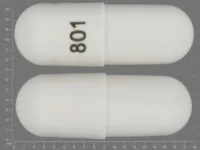 801
Cephalexin 250 mg
White, capsule, 22 mm
Used for urinary tract infections (UTIs) and pneumonia
-
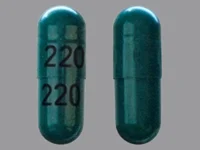 220
Cephalexin 250 mg
Green, capsule, 18 mm
Used for urinary tract infections (UTIs) and pneumonia
-
 802
Cephalexin 500 mg
White, capsule, 18 mm
Used for urinary tract infections (UTIs) and pneumonia
-
 TEVA 3147
Cephalexin 500 mg
Orange, capsule, 22 mm
Used for urinary tract infections (UTIs) and pneumonia
-
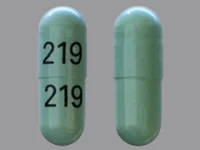 219
Cephalexin 500 mg
Green, capsule, 22 mm
Used for urinary tract infections (UTIs) and pneumonia
- Keflex 250mg Cephalexin Green, capsule, 25 mm Used for urinary tract infections (UTIs) and pneumonia
- Keflex 333 mg Cephalexin Green, capsule, 25 mm Used for urinary tract infections (UTIs) and pneumonia
- Keflex 500 mg Cephalexin Green, capsule, 25 mm Used for urinary tract infections (UTIs) and pneumonia