Drawing based on the label description. No photo yet.
“Cortisone Acetate Tablets, USP 25 mg: white to off-white, round scored tablets, debossed with "C" bisect "E" on one side and "113" on the other side”
CE 113 pill
Pill with imprint CE 113 is white, round, 9 mm and has been identified as Cortisone Acetate 25 mg. It is used for adrenal insufficiency, ankylosing spondylitis and bursitis. It is supplied by Chartwell Rx, LLC.
Cortisone Acetate 25 mg
- Imprint
- CE 113
- Strength
- 25 mg
- Used for
- Adrenal insufficiency, ankylosing spondylitis and bursitis
- Color
- White
- Shape
- Round
- Size
- 9 mm
- Score
- Breaks into 2 pieces
- Form
- Tablet
- Manufacturer
- Chartwell Rx, LLC
- Drug class
- Steroid (corticosteroid)
- NDC
- 62135-173, 62135-173-30
Source: the official drug label on DailyMed (US National Library of Medicine). Last checked .
Report a mistake
What is Cortisone Acetate used for?
Cortisone Acetate is used for adrenal insufficiency, ankylosing spondylitis, bursitis and lupus.
- Medicine type
- Steroid (corticosteroid)
Official uses from the US prescribing label
When oral therapy is not feasible:
1. Endocrine Disorders
- Primary or secondary adrenocortical insufficiency (hydrocortisone or cortisone is the first choice; synthetic analogs may be used in conjunction with mineralocorticoids where applicable; in infancy mineralocorticoid supplementation is of particular importance).
- Congenital adrenal hyperplasia
- Nonsuppurative thyroiditis
- Hypercalcemia associated with cancer
2. Rheumatic Disorders
As adjunctive therapy for short-term administration (to tide the patient over an acute episode or exacerbation) in:
- Psoriatic arthritis
- Rheumatoid arthritis, including juvenile rheumatoid arthritis (selected cases may require low-dose maintenance therapy)
- Ankylosing spondylitis
- Acute and subacute bursitis
- Acute nonspecific tenosynovitis
- Acute gouty arthritis
- Post-traumatic osteoarthritis
- Synovitis of osteoarthritis
- Epicondylitis
3. Collagen Diseases
During an exacerbation or as maintenance therapy in selected cases of:
- Systemic lupus erythematosus
- Acute rheumatic carditis
- Systemic dermatomyositis (polymyositis)
4. Dermatologic Diseases
- Pemphigus
- Bullous dermatitis herpetiformis
- Severe erythema multiforme (Stevens-Johnson syndrome)
- Exfoliative dermatitis
- Mycosis fungoides
- Severe psoriasis
- Severe seborrheic dermatitis
5. Allergic States
Control of severe or incapacitating allergic conditions intractable to adequate trials of conventional treatment in:
- Seasonal or perennial allergic rhinitis
- Bronchial asthma
- Contact dermatitis
- Atopic dermatitis
- Serum sickness
- Drug hypersensitivity reactions
6. Ophthalmic Diseases Severe acute and chronic allergic and inflammatory processes involving the eye and its adnexa, such as:
- Allergic conjunctivitis
- Keratitis
- Allergic corneal marginal ulcers
- Herpes zoster ophthalmicus
- Iritis and iridocyclitis
- Chorioretinitis
- Anterior segment inflammation
- Diffuse posterior uveitis and choroiditis
- Optic neuritis
- Sympathetic ophthalmia
7. Respiratory Diseases
- Symptomatic sarcoidosis
- Loeffler’s syndrome not manageable by other means
- Berylliosis
- Fulminating or disseminated pulmonary tuberculosis when used concurrently with appropriate antituberculosis chemotherapy
- Aspiration pneumonitis
8. Hematologic Disorders
- Idiopathic thrombocytopenic purpura in adults
- Secondary thrombocytopenia in adults
- Acquired (autoimmune) hemolytic anemia
- Erythroblastopenia (RBC anemia)
- Congenital (erythroid) hypoplastic anemia
9. Neoplastic Diseases
For palliative management of:
- Leukemias and lymphomas in adults
- Acute leukemia of childhood
10. Edematous States
- To induce a diuresis or remission of proteinuria in the nephrotic syndrome, without uremia, of the idiopathic type or that due to lupus erythematosus
11. Gastrointestinal Diseases
To tide the patient over a critical period of the disease in:
- Ulcerative colitis
- Regional enteritis
12. Miscellaneous
- Tuberculous meningitis with subarachnoid block or impending block when used concurrently with appropriate antituberculous chemotherapy
- Trichinosis with neurologic or myocardial involvement
From the FDA-approved label on DailyMed (published Jun 09, 2025).
Doctors sometimes prescribe a medicine for other reasons too. If you are not sure what yours is for, ask your pharmacist.
Is this your pill? Check every detail
- One side shows C E and the other side shows 113.
- It is white, round, 9 mm.
- Its score line and coating match the details on this page.
- It came from a pharmacy package that names the same drug.
Ingredients
Active: Cortisone Acetate
Inactive: Starch, Corn, Sucrose, Lactose Monohydrate, Calcium Stearate
Pills that look similar but are different drugs
Same color and shape, different medicine. This is why the imprint matters.
-
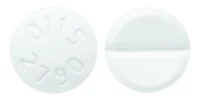 0115 2790
Chloroquine Phosphate 250 mg
White, round, 10 mm
Used for rheumatoid arthritis and amoeba infection
-
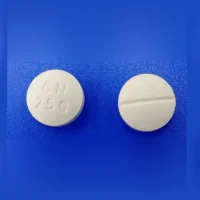 CN250
Chloroquine Phosphate 250 mg
White, round, 10 mm
Used for rheumatoid arthritis and amoeba infection
-
 A63
Everolimus 3 mg
White, round, 10 mm
Used for seizures
-
 A62
Everolimus 2 mg
White, round, 9 mm
Used for seizures
-
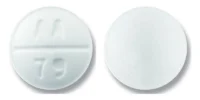 AA 79
Nadolol 40 mg
White, round, 9 mm
Used for high blood pressure and heart failure
-
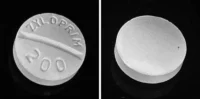 ZYLOPRIM 200
Allopurinol 200 mg
White, round, 9 mm
Used for gout
Other Cortisone Acetate pills
- UPJOHN 15 Cortisone Acetate White, diamond, 7 mm Used for adrenal insufficiency and ankylosing spondylitis
- UPJOHN 23 Cortisone Acetate White, diamond, 8 mm Used for adrenal insufficiency and ankylosing spondylitis
- ICN C23 Cortisone Acetate 25 mg White, round Used for adrenal insufficiency and ankylosing spondylitis