Valsartan
Pill images, imprints and guides
Valsartan comes in 110 pill versions in our database, in 4 strengths, from 36 manufacturers. Check the imprint to tell them apart.
What is Valsartan used for?
Valsartan is used for high blood pressure, heart failure, a weak heart and kidney disease from diabetes.
- Medicine type
- ARB (blood pressure medicine)
Official uses from the US prescribing label
1.1 Hypertension
Valsartan tablets are indicated for the treatment of hypertension, to lower blood pressure in adults and pediatric patients one year of age and older. Lowering blood pressure reduces the risk of fatal and nonfatal cardiovascular events, primarily strokes and myocardial infarctions. These benefits have been seen in controlled trials of antihypertensive drugs from a wide variety of pharmacologic classes, including the class to which valsartan principally belongs. There are no controlled trials in hypertensive patients demonstrating risk reduction with valsartan tablets.
Control of high blood pressure should be part of comprehensive cardiovascular risk management, including, as appropriate, lipid control, diabetes management, antithrombotic therapy, smoking cessation, exercise, and limited sodium intake. Many patients will require more than one drug to achieve blood pressure goals. For specific advice on goals and management, see published guidelines, such as those of the National High Blood Pressure Education Program’s Joint National Committee on Prevention, Detection, Evaluation, and Treatment of High Blood Pressure (JNC).
Numerous antihypertensive drugs, from a variety of pharmacologic classes and with different mechanisms of action, have been shown in randomized controlled trials to reduce cardiovascular morbidity and mortality, and it can be concluded that it is blood pressure reduction, and not some other pharmacologic property of the drugs, that is largely responsible for those benefits. The largest and most consistent cardiovascular outcome benefit has been a reduction in the risk of stroke, but reductions in myocardial infarction and cardiovascular mortality also have been seen regularly.
Elevated systolic or diastolic pressure causes increased cardiovascular risk, and the absolute risk increase per mmHg is greater at higher blood pressures, so that even modest reductions of severe hypertension can provide substantial benefit. Relative risk reduction from blood pressure reduction is similar across populations with varying absolute risk, so the absolute benefit is greater in patients who are at higher risk independent of their hypertension (e.g., patients with diabetes or hyperlipidemia), and such patients would be expected to benefit from more aggressive treatment to a lower blood pressure goal.
Some antihypertensive drugs have smaller blood pressure effects (as monotherapy) in black patients, and many antihypertensive drugs have additional approved indications and effects (e.g., on angina, heart failure, or diabetic kidney disease). These considerations may guide selection of therapy.
Valsartan tablets may be used alone or in combination with other antihypertensive agents.
1.2 Heart Failure
Valsartan tablets are indicated to reduce the risk of hospitalization for heart failure in adult patients with heart failure (NYHA class II-IV). There is no evidence that valsartan tablets provides added benefits when it is used with an adequate dose of an angiotensin converting enzyme (ACE) inhibitor.
1.3 Post-Myocardial Infarction
In clinically stable adult patients with left ventricular failure or left ventricular dysfunction following myocardial infarction, valsartan tablet is indicated to reduce the risk of cardiovascular mortality.
From the FDA-approved label on DailyMed (published Sep 24, 2026).
Doctors sometimes prescribe a medicine for other reasons too. If you are not sure what yours is for, ask your pharmacist.
Valsartan pill images
40 mg 26 pills
- NVR DO Valsartan 40 mg Yellow, oval, 6 mm Used for high blood pressure and heart failure
- L128 40 Valsartan 40 mg Yellow, oval, 11 mm Used for high blood pressure and heart failure
- U 232 Valsartan 40 mg White, oval, 9 mm Used for high blood pressure and heart failure
- S026 Valsartan 40 mg Yellow, oval, 9 mm Used for high blood pressure and heart failure
- HH 341 Valsartan 40 mg Yellow, capsule, 8 mm Used for high blood pressure and heart failure
- LU G11 Valsartan 40 mg Yellow, capsule, 10 mm Used for high blood pressure and heart failure
- 3 7 Valsartan 40 mg Yellow, oval, 8 mm Used for high blood pressure and heart failure
- I 73 Valsartan 40 mg Yellow, oval, 10 mm Used for high blood pressure and heart failure
- T 4 Valsartan 40 mg Yellow, oval, 8 mm Used for high blood pressure and heart failure
- 40 Valsartan 40 mg Yellow, capsule, 10 mm Used for high blood pressure and heart failure
- H 182 Valsartan 40 mg Yellow, capsule, 10 mm Used for high blood pressure and heart failure
- R 731 Valsartan 40 mg Yellow, oval, 10 mm Used for high blood pressure and heart failure
- L4 Valsartan 40 mg Yellow, oval, 9 mm Used for high blood pressure and heart failure
- S G 135 Valsartan 40 mg Yellow, capsule, 10 mm Used for high blood pressure and heart failure
- L12 Valsartan 40 mg Yellow, oval, 9 mm Used for high blood pressure and heart failure
- RX121 Valsartan 40 mg Yellow, oval, 9 mm Used for high blood pressure and heart failure
- C I Valsartan 40 mg Yellow, capsule, 11 mm Used for high blood pressure and heart failure
- M V 7 Valsartan 40 mg Yellow, round, 8 mm Used for high blood pressure and heart failure
- No picture yet DIN 02270528 Valsartan 40 mg Diovan, Tablet, sold in Canada Used for high blood pressure and heart failure
- No picture yet DIN 02356643 Valsartan 40 mg Teva-Valsartan, Tablet, sold in Canada Used for high blood pressure and heart failure
- No picture yet DIN 02356740 Valsartan 40 mg Sandoz Valsartan, Tablet, sold in Canada Used for high blood pressure and heart failure
- No picture yet DIN 02363062 Valsartan 40 mg Taro-Valsartan, Tablet, sold in Canada Used for high blood pressure and heart failure
- No picture yet DIN 02366940 Valsartan 40 mg Tablet, sold in Canada Used for high blood pressure and heart failure
- No picture yet DIN 02367726 Valsartan 40 mg Tablet, sold in Canada Used for high blood pressure and heart failure
- No picture yet DIN 02384523 Valsartan 40 mg Tablet, sold in Canada Used for high blood pressure and heart failure
- No picture yet DIN 02414201 Valsartan 40 mg Auro-Valsartan, Tablet, sold in Canada Used for high blood pressure and heart failure
80 mg 29 pills
- NVR DV Valsartan 80 mg Red, oval, 10 mm Used for high blood pressure and heart failure
- 7432 TV Valsartan 80 mg Pink, round, 10 mm Used for high blood pressure and heart failure
- VS 80 Valsartan 80 mg Pink, round, 8 mm Used for high blood pressure and heart failure
- 80 VAL Valsartan 80 mg Red, oval, 11 mm Used for high blood pressure and heart failure
- L13 Valsartan 80 mg Red, oval, 13 mm Used for high blood pressure and heart failure
- L129 80 Valsartan 80 mg Pink, oval, 14 mm Used for high blood pressure and heart failure
- C3 C Valsartan 80 mg Orange, round, 9 mm Used for high blood pressure and heart failure
- I 8 Valsartan 80 mg Red, round, 9 mm Used for high blood pressure and heart failure
- U 233 Valsartan 80 mg Yellow, tear, 10 mm Used for high blood pressure and heart failure
- H 183 Valsartan 80 mg Pink, round, 9 mm Used for high blood pressure and heart failure
- S023 Valsartan 80 mg Pink, tear, 10 mm Used for high blood pressure and heart failure
- HH 342 Valsartan 80 mg Brown, capsule, 11 mm Used for high blood pressure and heart failure
- LU G12 Valsartan 80 mg Pink, capsule, 13 mm Used for high blood pressure and heart failure
- AN 838 Valsartan 80 mg Pink, oval, 10 mm Used for high blood pressure and heart failure
- T7 Valsartan 80 mg Pink, oval, 10 mm Used for high blood pressure and heart failure
- R 732 Valsartan 80 mg Pink, round, 9 mm Used for high blood pressure and heart failure
- L8 Valsartan 80 mg Red, round, 8 mm Used for high blood pressure and heart failure
- SG 134 Valsartan 80 mg Pink, oval, 12 mm Used for high blood pressure and heart failure
- RX124 Valsartan 80 mg Yellow, oval, 12 mm Used for high blood pressure and heart failure
- NVR DV Valsartan 80 mg Red, round, 10 mm Used for high blood pressure and heart failure
- M V13 Valsartan 80 mg Red, oval, 13 mm Used for high blood pressure and heart failure
- No picture yet DIN 02244781 Valsartan 80 mg Diovan 80 mg Tablets, Tablet, sold in Canada Used for high blood pressure and heart failure
- No picture yet DIN 02356651 Valsartan 80 mg Teva-Valsartan, Tablet, sold in Canada Used for high blood pressure and heart failure
- No picture yet DIN 02356759 Valsartan 80 mg Sandoz Valsartan, Tablet, sold in Canada Used for high blood pressure and heart failure
- No picture yet DIN 02363100 Valsartan 80 mg Taro-Valsartan, Tablet, sold in Canada Used for high blood pressure and heart failure
- No picture yet DIN 02366959 Valsartan 80 mg Tablet, sold in Canada Used for high blood pressure and heart failure
- No picture yet DIN 02367734 Valsartan 80 mg Tablet, sold in Canada Used for high blood pressure and heart failure
- No picture yet DIN 02384531 Valsartan 80 mg Tablet, sold in Canada Used for high blood pressure and heart failure
- No picture yet DIN 02414228 Valsartan 80 mg Auro-Valsartan, Tablet, sold in Canada Used for high blood pressure and heart failure
160 mg 27 pills
-
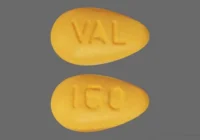 160 VAL
Valsartan 160 mg
Gray & orange, oval, 14 mm
Used for high blood pressure and heart failure
160 VAL
Valsartan 160 mg
Gray & orange, oval, 14 mm
Used for high blood pressure and heart failure
- NVR DX Valsartan 160 mg Gray & orange, oval, 13 mm Used for high blood pressure and heart failure
- 7433 TEVA Valsartan 160 mg Orange, oval, 17 mm Used for high blood pressure and heart failure
- L130 160 Valsartan 160 mg Yellow, oval, 17 mm Used for high blood pressure and heart failure
- I 67 Valsartan 160 mg Gray & orange, oval, 18 mm Used for high blood pressure and heart failure
- L14 Valsartan 160 mg Gray, oval, 16 mm Used for high blood pressure and heart failure
- U 234 Valsartan 160 mg Yellow, tear, 13 mm Used for high blood pressure and heart failure
- C4 C Valsartan 160 mg Yellow, oval, 17 mm Used for high blood pressure and heart failure
- S024 Valsartan 160 mg Yellow, tear, 13 mm Used for high blood pressure and heart failure
- HH 343 Valsartan 160 mg Yellow, capsule, 13 mm Used for high blood pressure and heart failure
- H 184 Valsartan 160 mg Yellow, oval, 16 mm Used for high blood pressure and heart failure
- LU G13 Valsartan 160 mg Yellow, capsule, 16 mm Used for high blood pressure and heart failure
- AN 839 Valsartan 160 mg Yellow, oval, 13 mm Used for high blood pressure and heart failure
- 277 Valsartan 160 mg Yellow, oval, 12 mm Used for high blood pressure and heart failure
- R 733 Valsartan 160 mg Gray & orange, oval, 16 mm Used for high blood pressure and heart failure
- M V14 Valsartan 160 mg Orange, oval, 16 mm Used for high blood pressure and heart failure
- L16 Valsartan 160 mg Gray, oval, 14 mm Used for high blood pressure and heart failure
- SG 133 Valsartan 160 mg Orange, oval, 18 mm Used for high blood pressure and heart failure
- RX125 Valsartan 160 mg Pink, oval, 15 mm Used for high blood pressure and heart failure
- No picture yet DIN 02244782 Valsartan 160 mg Diovan 160 mg Tablets, Tablet, sold in Canada Used for high blood pressure and heart failure
- No picture yet DIN 02356678 Valsartan 160 mg Teva-Valsartan, Tablet, sold in Canada Used for high blood pressure and heart failure
- No picture yet DIN 02356767 Valsartan 160 mg Sandoz Valsartan, Tablet, sold in Canada Used for high blood pressure and heart failure
- No picture yet DIN 02363119 Valsartan 160 mg Taro-Valsartan, Tablet, sold in Canada Used for high blood pressure and heart failure
- No picture yet DIN 02366967 Valsartan 160 mg Tablet, sold in Canada Used for high blood pressure and heart failure
- No picture yet DIN 02367742 Valsartan 160 mg Tablet, sold in Canada Used for high blood pressure and heart failure
- No picture yet DIN 02384558 Valsartan 160 mg Tablet, sold in Canada Used for high blood pressure and heart failure
- No picture yet DIN 02414236 Valsartan 160 mg Auro-Valsartan, Tablet, sold in Canada Used for high blood pressure and heart failure
320 mg 28 pills
- NVR DXL Valsartan 320 mg Gray & purple, oval, 16 mm Used for high blood pressure and heart failure
- 7434 TEVA Valsartan 320 mg Brown, oval, 19 mm Used for high blood pressure and heart failure
- RX126 Valsartan 320 mg Brown, oval, 19 mm Used for high blood pressure and heart failure
- 320 VAL Valsartan 320 mg Gray & purple, oval, 18 mm Used for high blood pressure and heart failure
- HH 344 Valsartan 320 mg Brown, capsule, 16 mm Used for high blood pressure and heart failure
- I 76 Valsartan 320 mg Gray & purple, oval, 21 mm Used for high blood pressure and heart failure
- L127 320 Valsartan 320 mg Purple, oval, 21 mm Used for high blood pressure and heart failure
- U 235 Valsartan 320 mg White, tear, 16 mm Used for high blood pressure and heart failure
- L15 Valsartan 320 mg Gray, oval, 20 mm Used for high blood pressure and heart failure
- H 185 Valsartan 320 mg Gray, capsule, 19 mm Used for high blood pressure and heart failure
- C5 C Valsartan 320 mg Yellow, oval, 20 mm Used for high blood pressure and heart failure
- S025 Valsartan 320 mg Brown, tear, 16 mm Used for high blood pressure and heart failure
- LU G14 Valsartan 320 mg Orange, capsule, 21 mm Used for high blood pressure and heart failure
- AN 840 Valsartan 320 mg Brown, oval, 16 mm Used for high blood pressure and heart failure
- 278 Valsartan 320 mg Brown, oval, 16 mm Used for high blood pressure and heart failure
- R 734 Valsartan 320 mg Brown, oval, 20 mm Used for high blood pressure and heart failure
- L32 Valsartan 320 mg Gray, oval, 16 mm Used for high blood pressure and heart failure
- SG 132 Valsartan 320 mg Purple, oval, 19 mm Used for high blood pressure and heart failure
- NVR DC Valsartan 320 mg Gray & purple, oval, 16 mm Used for high blood pressure and heart failure
- I C Valsartan 320 mg Yellow, oval, 20 mm Used for high blood pressure and heart failure
- M V15 Valsartan 320 mg Purple, oval, 21 mm Used for high blood pressure and heart failure
- No picture yet DIN 02289504 Valsartan 320 mg Diovan, Tablet, sold in Canada Used for high blood pressure and heart failure
- No picture yet DIN 02356686 Valsartan 320 mg Teva-Valsartan, Tablet, sold in Canada Used for high blood pressure and heart failure
- No picture yet DIN 02356775 Valsartan 320 mg Sandoz Valsartan, Tablet, sold in Canada Used for high blood pressure and heart failure
- No picture yet DIN 02366975 Valsartan 320 mg Tablet, sold in Canada Used for high blood pressure and heart failure
- No picture yet DIN 02367750 Valsartan 320 mg Tablet, sold in Canada Used for high blood pressure and heart failure
- No picture yet DIN 02384566 Valsartan 320 mg Tablet, sold in Canada Used for high blood pressure and heart failure
- No picture yet DIN 02414244 Valsartan 320 mg Auro-Valsartan, Tablet, sold in Canada Used for high blood pressure and heart failure