Metoprolol Succinate
Pill images, imprints and guides
Metoprolol Succinate comes in 68 pill versions in our database, in 8 strengths, from 26 manufacturers. Check the imprint to tell them apart.
What is Metoprolol Succinate used for?
Metoprolol Succinate is used for high blood pressure, heart failure, chest pain (angina) and atrial fibrillation (irregular heartbeat).
- Medicine type
- Beta blocker (heart and blood pressure medicine)
Official uses from the US prescribing label
Hypertension
Metoprolol succinate extended-release tablets are indicated for the treatment of hypertension, to lower blood pressure. Lowering blood pressure lowers the risk of fatal and non-fatal cardiovascular events, primarily strokes and myocardial infarctions. These benefits have been seen in controlled trials of antihypertensive drugs from a wide variety of pharmacologic classes including metoprolol.
Control of high blood pressure should be part of comprehensive cardiovascular risk management, including, as appropriate, lipid control, diabetes management, antithrombotic therapy, smoking cessation, exercise, and limited sodium intake. Many patients will require more than 1 drug to achieve blood pressure goals. For specific advice on goals and management, see published guidelines, such as those of the National High Blood Pressure Education Program’s Joint National Committee on Prevention, Detection, Evaluation, and Treatment of High Blood Pressure (JNC).
Numerous antihypertensive drugs, from a variety of pharmacologic classes and with different mechanisms of action, have been shown in randomized controlled trials to reduce cardiovascular morbidity and mortality, and it can be concluded that it is blood pressure reduction, and not some other pharmacologic property of the drugs, that is largely responsible for those benefits. The largest and most consistent cardiovascular outcome benefit has been a reduction in the risk of stroke, but reductions in myocardial infarction and cardiovascular mortality also have been seen regularly.
Elevated systolic or diastolic pressure causes increased cardiovascular risk, and the absolute risk increase per mmHg is greater at higher blood pressures, so that even modest reductions of severe hypertension can provide substantial benefit. Relative risk reduction from blood pressure reduction is similar across populations with varying absolute risk, so the absolute benefit is greater in patients who are at higher risk independent of their hypertension (for example, patients with diabetes or hyperlipidemia), and such patients would be expected to benefit from more aggressive treatment to a lower blood pressure goal.
Some antihypertensive drugs have smaller blood pressure effects (as monotherapy) in black patients, and many antihypertensive drugs have additional approved indications and effects (e.g., on angina, heart failure, or diabetic kidney disease). These considerations may guide selection of therapy.
Metoprolol succinate extended-release tablets may be administered with other antihypertensive agents.
Angina Pectoris
Metoprolol succinate extended-release tablets are indicated in the long-term treatment of angina pectoris, to reduce angina attacks and to improve exercise tolerance.
Heart Failure
Metoprolol succinate extended-release tablets are indicated to reduce the risk of cardiovascular mortality and heart-failure hospitalization in patients with heart failure.
From the FDA-approved label on DailyMed (published Sep 18, 2026).
Doctors sometimes prescribe a medicine for other reasons too. If you are not sure what yours is for, ask your pharmacist.
Metoprolol Succinate pill images
23.75 mg 1 pill
- 369 Metoprolol Succinate 23.75 mg White, round, 10 mm Used for high blood pressure and heart failure
25 mg 15 pills
-
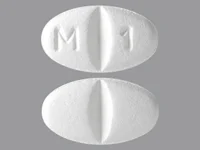 M 1
Metoprolol Succinate 25 mg
White, oval, 10 mm
Used for high blood pressure and heart failure
M 1
Metoprolol Succinate 25 mg
White, oval, 10 mm
Used for high blood pressure and heart failure
- E281 Metoprolol Succinate 25 mg White, oval, 7 mm Used for high blood pressure and heart failure
- W34 Metoprolol Succinate 25 mg White, oval, 12 mm Used for high blood pressure and heart failure
- M Metoprolol Succinate 25 mg White, oval, 11 mm Used for high blood pressure and heart failure
- RL14 Metoprolol Succinate 25 mg Yellow, capsule, 14 mm Used for high blood pressure and heart failure
- AB Metoprolol Succinate 25 mg White, oval, 10 mm Used for high blood pressure and heart failure
- 564 Metoprolol Succinate 25 mg White, oval, 10 mm Used for high blood pressure and heart failure
- A9 Metoprolol Succinate 25 mg White, oval, 8 mm Used for high blood pressure and heart failure
- N 25 Metoprolol Succinate 25 mg White, oval, 9 mm Used for high blood pressure and heart failure
- e7 Metoprolol Succinate 25 mg White, oval, 7 mm Used for high blood pressure and heart failure
- J 75 Metoprolol Succinate 25 mg White, oval, 9 mm Used for high blood pressure and heart failure
- YH 164 Metoprolol Succinate 25 mg White, oval, 11 mm Used for high blood pressure and heart failure
- I 25 Metoprolol Succinate 25 mg White, oval, 8 mm Used for high blood pressure and heart failure
- M MT1 Metoprolol Succinate 25 mg White, round, 7 mm Used for high blood pressure and heart failure
- 01 Metoprolol Succinate 25 mg White, oval, 10 mm Used for high blood pressure and heart failure
47.5 mg 1 pill
50 mg 17 pills
-
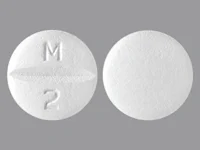 M 2
Metoprolol Succinate 50 mg
White, round, 9 mm
Used for high blood pressure and heart failure
M 2
Metoprolol Succinate 50 mg
White, round, 9 mm
Used for high blood pressure and heart failure
- E282 Metoprolol Succinate 50 mg White, oval, 11 mm Used for high blood pressure and heart failure
- 831 Metoprolol Succinate 50 mg White, round, 9 mm Used for high blood pressure and heart failure
- 832 Metoprolol Succinate 50 mg White, round, 10 mm Used for high blood pressure and heart failure
- W 735 Metoprolol Succinate 50 mg White, round, 11 mm Used for high blood pressure and heart failure
- RL15 Metoprolol Succinate 50 mg Yellow, capsule, 14 mm Used for high blood pressure and heart failure
- N 50 Metoprolol Succinate 50 mg White, round, 9 mm Used for high blood pressure and heart failure
- A mo Metoprolol Succinate 50 mg White, round, 9 mm Used for high blood pressure and heart failure
- J 76 Metoprolol Succinate 50 mg White, round, 9 mm Used for high blood pressure and heart failure
- 676 Metoprolol Succinate 50 mg White, oval, 10 mm Used for high blood pressure and heart failure
- C L 407 Metoprolol Succinate 50 mg White, round, 8 mm Used for high blood pressure and heart failure
- e71 Metoprolol Succinate 50 mg White, round, 8 mm Used for high blood pressure and heart failure
- YH 165 Metoprolol Succinate 50 mg White, oval, 11 mm Used for high blood pressure and heart failure
- 565 Metoprolol Succinate 50 mg White, round, 10 mm Used for high blood pressure and heart failure
- M MT2 Metoprolol Succinate 50 mg White, oval, 12 mm Used for high blood pressure and heart failure
- I 50 Metoprolol Succinate 50 mg White, round, 8 mm Used for high blood pressure and heart failure
- KY 004 Metoprolol Succinate 50 mg White, round, 10 mm Used for high blood pressure and heart failure
90 mg 1 pill
100 mg 17 pills
-
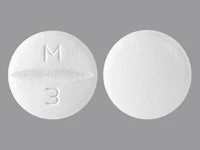 M 3
Metoprolol Succinate 100 mg
White, round, 11 mm
Used for high blood pressure and heart failure
M 3
Metoprolol Succinate 100 mg
White, round, 11 mm
Used for high blood pressure and heart failure
- 832 Metoprolol Succinate 100 mg White, round, 10 mm Used for high blood pressure and heart failure
- E283 Metoprolol Succinate 100 mg White, oval, 14 mm Used for high blood pressure and heart failure
- W 736 Metoprolol Succinate 100 mg White, round, 12 mm Used for high blood pressure and heart failure
- RL16 Metoprolol Succinate 100 mg White, capsule, 18 mm Used for high blood pressure and heart failure
- N 100 Metoprolol Succinate 100 mg White, round, 10 mm Used for high blood pressure and heart failure
- A ms Metoprolol Succinate 100 mg White, round, 10 mm Used for high blood pressure and heart failure
- 677 Metoprolol Succinate 100 mg White, oval, 13 mm Used for high blood pressure and heart failure
- 566 Metoprolol Succinate 100 mg White, round, 12 mm Used for high blood pressure and heart failure
- J 77 Metoprolol Succinate 100 mg White, round, 11 mm Used for high blood pressure and heart failure
- C L 408 Metoprolol Succinate 100 mg White, round, 11 mm Used for high blood pressure and heart failure
- YH 163 Metoprolol Succinate 100 mg White, oval, 12 mm Used for high blood pressure and heart failure
- P03 Metoprolol Succinate 100 mg White, capsule, 15 mm Used for high blood pressure and heart failure
- e701 Metoprolol Succinate 100 mg White, round, 10 mm Used for high blood pressure and heart failure
- M MT3 Metoprolol Succinate 100 mg White, oval, 15 mm Used for high blood pressure and heart failure
- I 100 Metoprolol Succinate 100 mg White, round, 10 mm Used for high blood pressure and heart failure
- KY 005 Metoprolol Succinate 100 mg White, round, 11 mm Used for high blood pressure and heart failure
190 mg 1 pill
200 mg 15 pills
- E284 Metoprolol Succinate 200 mg White, oval, 19 mm Used for high blood pressure and heart failure
- W737 Metoprolol Succinate 200 mg White, oval, 20 mm Used for high blood pressure and heart failure
- RL17 Metoprolol Succinate 200 mg Yellow, capsule, 22 mm Used for high blood pressure and heart failure
- M 4 Metoprolol Succinate 200 mg White, oval, 20 mm Used for high blood pressure and heart failure
- A my Metoprolol Succinate 200 mg White, oval, 17 mm Used for high blood pressure and heart failure
- N 200 Metoprolol Succinate 200 mg White, oval, 18 mm Used for high blood pressure and heart failure
- C L 409 Metoprolol Succinate 200 mg White, capsule, 19 mm Used for high blood pressure and heart failure
- 678 Metoprolol Succinate 200 mg White, oval, 17 mm Used for high blood pressure and heart failure
- J 78 Metoprolol Succinate 200 mg White, oval, 20 mm Used for high blood pressure and heart failure
- YH 161 Metoprolol Succinate 200 mg White, oval, 17 mm Used for high blood pressure and heart failure
- e702 Metoprolol Succinate 200 mg White, oval, 18 mm Used for high blood pressure and heart failure
- M MT4 Metoprolol Succinate 200 mg White, oval, 19 mm Used for high blood pressure and heart failure
- I 200 Metoprolol Succinate 200 mg White, oval, 17 mm Used for high blood pressure and heart failure
- KY 007 Metoprolol Succinate 200 mg White, round, 18 mm Used for high blood pressure and heart failure
- 5 67 Metoprolol Succinate 200 mg White, oval, 20 mm Used for high blood pressure and heart failure