Ethambutol Hydrochloride
Brand name: Etibi
Ethambutol Hydrochloride comes in 11 pill versions in our database, in 2 strengths, from 8 manufacturers. Check the imprint to tell them apart.
Ethambutol Hydrochloride pill images
100 mg 5 pills
- E6 Ethambutol Hydrochloride 100 mg White, round, 8 mm Used for tuberculosis (TB) and nontuberculous mycobacterium infections
- LU C31 Ethambutol Hydrochloride 100 mg White, round, 8 mm Used for tuberculosis (TB) and nontuberculous mycobacterium infections
- VP 11 Ethambutol Hydrochloride 100 mg White, round, 8 mm Used for tuberculosis (TB) and nontuberculous mycobacterium infections
- E7 Ethambutol Hydrochloride 100 mg White, round, 13 mm Used for tuberculosis (TB) and nontuberculous mycobacterium infections
- No picture yet DIN 00247960 Ethambutol Hydrochloride 100 mg Etibi, Tablet, sold in Canada Used for tuberculosis (TB) and nontuberculous mycobacterium infections
400 mg 6 pills
-
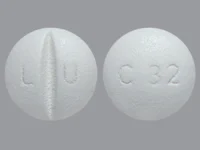 L U C32
Ethambutol Hydrochloride 400 mg
White, round, 12 mm
Used for tuberculosis (TB) and nontuberculous mycobacterium infections
- E7 Ethambutol Hydrochloride 400 mg White, round, 6 mm Used for tuberculosis (TB) and nontuberculous mycobacterium infections
- VP 14 Ethambutol Hydrochloride 400 mg White, round, 13 mm Used for tuberculosis (TB) and nontuberculous mycobacterium infections
- M 7 Ethambutol Hydrochloride 400 mg White, round, 8 mm Used for tuberculosis (TB) and nontuberculous mycobacterium infections
- E6 Ethambutol Hydrochloride 400 mg White, round, 8 mm Used for tuberculosis (TB) and nontuberculous mycobacterium infections
- No picture yet DIN 00247979 Ethambutol Hydrochloride 400 mg Etibi, Tablet, sold in Canada Used for tuberculosis (TB) and nontuberculous mycobacterium infections
What is Ethambutol Hydrochloride used for?
Ethambutol Hydrochloride is used for tuberculosis (TB) and nontuberculous mycobacterium infections.
- Medicine type
- Antibiotic
Official uses from the US prescribing label
Ethambutol hydrochloride is indicated for the treatment of pulmonary tuberculosis. It should not be used as the sole antituberculous drug, but should be used in conjunction with at least one other antituberculous drug. Selection of the companion drug should be based on clinical experience, considerations of comparative safety and appropriate in-vitrosusceptibility studies. In patients who have not received previous antituberculous therapy, i.e., initial treatment, the most frequently used regimens have been the following:
- Ethambutol plus isoniazid
- Ethambutol plus isoniazid plus streptomycin.
In patients who have received previous antituberculous therapy, mycobacterial resistance to other drugs used in initial therapy is frequent. Consequently, in such retreatment patients, ethambutol should be combined with at least one of the second line drugs not previously administered to the patient and to which bacterial susceptibility has been indicated by appropriate in-vitrostudies. Antituberculous drugs used with ethambutol have included cycloserine, ethionamide, pyrazinamide, viomycin and other drugs. Isoniazid, aminosalicylic acid, and streptomycin have also been used in multiple drug regimens. Alternating drug regimens have also been utilized.
From the FDA-approved label on DailyMed (published Aug 17, 2026).
Doctors sometimes prescribe a medicine for other reasons too. If you are not sure what yours is for, ask your pharmacist.