Estradiol
Estradiol comes in 18 pill versions in our database, in 4 strengths, from 13 manufacturers. Check the imprint to tell them apart.
Estradiol pill images
0.5 mg 5 pills
-
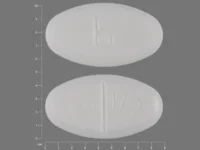 899 1 2 B
Estradiol 0.5 mg
White, oval, 9 mm
Used for hot flashes and low testosterone
- WATSON 528 Estradiol 0.5 mg White, round, 6 mm Used for hot flashes and low testosterone
- E 87 Estradiol 0.5 mg White, round, 6 mm Used for hot flashes and low testosterone
- N564 Estradiol 0.5 mg White, oval, 9 mm Used for hot flashes and low testosterone
- No picture yet DIN 02449048 Estradiol Hemihydrate 0.5 mg Lupin-Estradiol, Tablet, sold in Canada Used for hot flashes and low testosterone
1 mg 5 pills
-
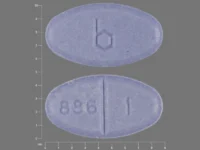 886 1 B
Estradiol 1 mg
Purple, oval, 9 mm
Used for hot flashes and low testosterone
- Watson 487 Estradiol 1 mg Gray, round, 9 mm Used for hot flashes and low testosterone
- E 88 Estradiol 1 mg White, round, 7 mm Used for hot flashes and low testosterone
- N565 Estradiol 1 mg Purple, oval, 9 mm Used for hot flashes and low testosterone
- No picture yet DIN 02449056 Estradiol Hemihydrate 1 mg Lupin-Estradiol, Tablet, sold in Canada Used for hot flashes and low testosterone
2 mg 5 pills
-
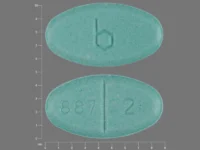 887 2 B
Estradiol 2 mg
Green, oval, 9 mm
Used for hot flashes and low testosterone
- Watson 488 Estradiol 2 mg Green, round, 9 mm Used for hot flashes and low testosterone
- E 89 Estradiol 2 mg White, round, 10 mm Used for hot flashes and low testosterone
- N566 Estradiol 2 mg Green, oval, 9 mm Used for hot flashes and low testosterone
- No picture yet DIN 02449064 Estradiol Hemihydrate 2 mg Lupin-Estradiol, Tablet, sold in Canada Used for hot flashes and low testosterone
10 mcg 3 pills
What is Estradiol used for?
Estradiol is used for hot flashes, low testosterone, breast cancer and prostate cancer.
- Medicine type
- Radioactive diagnostic agent; estrogen hormone
Official uses from the US prescribing label
Estradiol tablets are indicated in the:
- Treatment of moderate to severe vasomotor symptoms associated with the menopause.
- Treatment of moderate to severe symptoms of vulvar and vaginal atrophy associated with the menopause. When prescribing solely for the treatment of symptoms of vulvar and vaginal atrophy, topical vaginal products should be considered.
- Treatment of hypoestrogenism due to hypogonadism, castration or primary ovarian failure.
- Treatment of breast cancer (for palliation only) in appropriately selected women and men with metastatic disease.
- Treatment of advanced androgen-dependent carcinoma of the prostate (for palliation only).
- Prevention of osteoporosis. When prescribing solely for the prevention of postmenopausal osteoporosis, therapy should only be considered for women at significant risk of osteoporosis and for whom non-estrogen medications are not considered to be appropriate (See CLINICAL PHARMACOLOGY, Clinical Studies).
The mainstays for decreasing the risk of postmenopausal osteoporosis are weight bearing exercise, adequate calcium and vitamin D intake, and when indicated, pharmacologic therapy. Postmenopausal women require an average of 1500 mg/day of elemental calcium. Therefore, when not contraindicated, calcium supplementation may be helpful for women with suboptimal dietary intake. Vitamin D supplementation of 400 to 800 IU/day may also be required to ensure adequate daily intake in postmenopausal women.
From the FDA-approved label on DailyMed (published Oct 02, 2026).
Doctors sometimes prescribe a medicine for other reasons too. If you are not sure what yours is for, ask your pharmacist.