Colestipol Hydrochloride
Colestipol Hydrochloride comes in 8 pill versions in our database, in 1 strength, from 8 manufacturers. Check the imprint to tell them apart.
Colestipol Hydrochloride pill images
1 g 8 pills
-
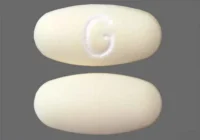 G
Colestipol Hydrochloride 1 g
Yellow, oval, 21 mm
Used for high cholesterol and high triglycerides
- G 450 Colestipol Hydrochloride 1 g Yellow, oval, 19 mm Used for high cholesterol and high triglycerides
- CZ Colestipol Hydrochloride 1 g Yellow, oval, 20 mm Used for high cholesterol and high triglycerides
- U Colestipol Hydrochloride 1 g Yellow, oval, 19 mm Used for high cholesterol and high triglycerides
- I Colestipol Hydrochloride 1 g Yellow, oval, 19 mm Used for high cholesterol and high triglycerides
- 5 Colestipol Hydrochloride 1 g Yellow, oval, 19 mm Used for high cholesterol and high triglycerides
- S Colestipol Hydrochloride 1 g Yellow, oval, 18 mm Used for high cholesterol and high triglycerides
- No picture yet DIN 02132680 Colestipol Hydrochloride 1 g Colestid Tablets, Tablet, sold in Canada Used for high cholesterol and high triglycerides
What is Colestipol Hydrochloride used for?
Colestipol Hydrochloride is used for high cholesterol, high triglycerides, heart disease and diarrhea.
- Medicine type
- Bile acid sequestrant
Official uses from the US prescribing label
Since no drug is innocuous, strict attention should be paid to the indications and contraindications, particularly when selecting drugs for chronic long-term use.
Colestipol hydrochloride tablets are indicated as adjunctive therapy to diet for the reduction of elevated serum total and LDL-C in patients with primary hypercholesterolemia (elevated LDL-C) who do not respond adequately to diet. Generally, colestipol hydrochloride tablets have no clinically significant effect on serum triglycerides, but with their use, triglyceride levels may be raised in some patients.
Therapy with lipid-altering agents should be a component of multiple risk factor intervention in those individuals at significantly increased risk for atherosclerotic vascular disease due to hypercholesterolemia. Treatment should begin and continue with dietary therapy (see NCEP guidelines). A minimum of six months of intensive dietary therapy and counseling should be carried out prior to initiation of drug therapy. Shorter periods may be considered in patients with severe elevations of LDL-C or with definite CHD.
According to the NCEP guidelines, the goal of treatment is to lower LDL-C, and LDL-C is to be used to initiate and assess treatment response. Only if LDL-C levels are not available, should the Total-C be used to monitor therapy. The NCEP treatment guidelines are shown below.
*Coronary heart disease or peripheral vascular disease (including symptomatic carotid artery disease). †Other risk factors for coronary heart disease (CHD) include: age (males: ≥45 years; female: ≥55 years or premature menopause without estrogen replacement therapy); family history of premature CHD; current cigarette smoking; hypertension; confirmed HDL-C <35 mg/dL (0.91 mmol/L); and diabetes mellitus. Subtract one risk factor if HDL-C is ≥60 mg/dL (1.6 mmol/L).
From the FDA-approved label on DailyMed (published Sep 02, 2026).
Doctors sometimes prescribe a medicine for other reasons too. If you are not sure what yours is for, ask your pharmacist.