Cefdinir
Cefdinir comes in 7 pill versions in our database, in 1 strength, from 6 manufacturers. Check the imprint to tell them apart.
Cefdinir pill images
300 mg 7 pills
-
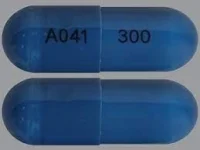 A041 300
Cefdinir 300 mg
Blue, capsule, 22 mm
Used for bronchitis and sinus infections
- E99 Cefdinir 300 mg Purple & turquoise, capsule, 21 mm Used for bronchitis and sinus infections
- 93 3160 Cefdinir 300 mg Green & purple, capsule, 22 mm Used for bronchitis and sinus infections
- LUPIN CEFDINIR Cefdinir 300 mg Blue & purple, capsule, 22 mm Used for bronchitis and sinus infections
- Sandoz 663 Cefdinir 300 mg Blue, capsule, 22 mm Used for bronchitis and sinus infections
- C 300 Cefdinir 300 mg Blue & purple, capsule, 21 mm Used for bronchitis and sinus infections
- 93 3160 93 3160 Cefdinir 300 mg Green & purple, capsule, 23 mm Used for bronchitis and sinus infections
What is Cefdinir used for?
Cefdinir is used for bronchitis, sinus infections, pneumonia and ear infections.
- Medicine type
- Antibiotic (cephalosporin)
Official uses from the US prescribing label
To reduce the development of drug-resistant bacteria and maintain the effectiveness of cefdinir capsules and other antibacterial drugs, cefdinir capsules should be used only to treat or prevent infections that are proven or strongly suspected to be caused by susceptible bacteria. When culture and susceptibility information are available, they should be considered in selecting or modifying antibacterial therapy. In the absence of such data, local epidemiology and susceptibility patterns may contribute to the empiric selection of therapy.
Cefdinir capsules are indicated for the treatment of patients with mild to moderate infections caused by susceptible strains of the designated microorganisms in the conditions listed below.
Adults and Adolescents
Community-Acquired Pneumonia
Caused by Haemophilus influenzae(including β-lactamase producing strains), Haemophilus parainfluenzae(including β-lactamase producing strains), Streptococcus pneumoniae(penicillin-susceptible strains only), and Moraxella catarrhalis(including β-lactamase producing strains) (see CLINICAL STUDIES ).
Acute Exacerbations of Chronic Bronchitis
Caused by Haemophilus influenzae(including β-lactamase producing strains), Haemophilus parainfluenzae(including β-lactamase producing strains), Streptococcus pneumoniae(penicillin-susceptible strains only), and Moraxella catarrhalis(including β-lactamase producing strains).
Acute Maxillary Sinusitis
Caused by Haemophilus influenzae(including β-lactamase producing strains), Streptococcus pneumoniae (penicillin-susceptible strains only), and Moraxella catarrhalis(including β-lactamase producing strains).
NOTE:For information on use in pediatric patients, see Pediatric Use and DOSAGE AND ADMINISTRATION.
Pharyngitis/Tonsillitis
Caused by Streptococcus pyogenes (see CLINICAL STUDIES).
NOTE:Cefdinir is effective in the eradication of S. pyogenesfrom the oropharynx. Cefdinir has not, however, been studied for the prevention of rheumatic fever following S. pyogenespharyngitis/tonsillitis. Only intramuscular penicillin has been demonstrated to be effective for the prevention of rheumatic fever.
Uncomplicated Skin and Skin Structure Infections
Caused by Staphylococcus aureus(including β-lactamase producing strains) and Streptococcus pyogenes.
Pediatric Patients
Acute Bacterial Otitis Media
Caused by Haemophilus influenzae(including β-lactamase producing strains), Streptococcus pneumoniae (penicillin-susceptible strains only), and Moraxella catarrhalis(including β-lactamase producing strains).
Pharyngitis/Tonsillitis
Caused by Streptococcus pyogenes(see CLINICAL STUDIES ).
NOTE:Cefdinir is effective in the eradication of S. pyogenesfrom the oropharynx. Cefdinir has not, however, been studied for the prevention of rheumatic fever following S. pyogenespharyngitis/tonsillitis. Only intramuscular penicillin has been demonstrated to be effective for the prevention of rheumatic fever.
Uncomplicated Skin and Skin Structure Infections
Caused by Staphylococcus aureus(including β-lactamase producing strains) and Streptococcus pyogenes.
From the FDA-approved label on DailyMed (published Aug 31, 2026).
Doctors sometimes prescribe a medicine for other reasons too. If you are not sure what yours is for, ask your pharmacist.