Drawing based on the description in the official product monograph. No photo yet.
“30 mg tablets are round, biconvex, rose-pink film coated tablet with "NF ER" over "30" imprinted with black ink on one side and no printing on the other side”
30 pill
Pill with imprint 30 is pink, round and has been identified as Nifedipine 30 mg. It is used for high blood pressure and chest pain (angina). It is supplied by Pharmascience Inc.
Sold in Canada
Nifedipine 30 mg
- Brand
- PMSC-Nifedipine ER
- Imprint
- 30
- Strength
- 30 mg
- Used for
- High blood pressure and chest pain (angina)
- Color
- Pink
- Shape
- Round
- Form
- Tablet (extended-release)
- Manufacturer
- Pharmascience Inc
- Drug class
- Calcium channel blocker (blood pressure and heart medicine)
- Sold in
- Canada
- DIN
- 02533332
Source: Health Canada's Drug Product Database and the official product monograph. Last checked .
Report a mistake
What is Nifedipine used for?
Nifedipine is used for high blood pressure and chest pain (angina).
- Medicine type
- Calcium channel blocker (blood pressure and heart medicine)
Official uses from the US prescribing label
Vasospastic Angina
PROCARDIA XL is indicated for the management of vasospastic angina confirmed by any of the following criteria: 1) classical pattern of angina at rest accompanied by ST segment elevation, 2) angina or coronary artery spasm provoked by ergonovine, or 3) angiographically demonstrated coronary artery spasm. In those patients who have had angiography, the presence of significant fixed obstructive disease is not incompatible with the diagnosis of vasospastic angina, provided that the above criteria are satisfied. PROCARDIA XL may also be used where the clinical presentation suggests a possible vasospastic component, but where vasospasm has not been confirmed, e.g., where pain has a variable threshold on exertion, or in unstable angina where electrocardiographic findings are compatible with intermittent vasospasm, or when angina is refractory to nitrates and/or adequate doses of beta blockers.
Chronic Stable Angina (Classical Effort-Associated Angina)
PROCARDIA XL is indicated for the management of chronic stable angina (effort-associated angina) without evidence of vasospasm in patients who remain symptomatic despite adequate doses of beta blockers and/or organic nitrates or who cannot tolerate those agents.
In chronic stable angina (effort-associated angina), nifedipine has been effective in controlled trials of up to eight weeks duration in reducing angina frequency and increasing exercise tolerance, but confirmation of sustained effectiveness and evaluation of long-term safety in these patients is incomplete.
Controlled studies in small numbers of patients suggest concomitant use of nifedipine and beta-blocking agents may be beneficial in patients with chronic stable angina, but available information is not sufficient to predict with confidence the effects of concurrent treatment, especially in patients with compromised left ventricular function or cardiac conduction abnormalities. When introducing such concomitant therapy, care must be taken to monitor blood pressure closely, since severe hypotension can occur from the combined effects of the drugs (see WARNINGS).
Hypertension
PROCARDIA XL is indicated for the treatment of hypertension, to lower blood pressure. Lowering blood pressure reduces the risk of fatal and nonfatal cardiovascular events, primarily strokes and myocardial infarctions. These benefits have been seen in controlled trials of antihypertensive drugs from a wide variety of pharmacologic classes including PROCARDIA XL.
Control of high blood pressure should be part of comprehensive cardiovascular risk management, including, as appropriate, lipid control, diabetes management, antithrombotic therapy, smoking cessation, exercise, and limited sodium intake. Many patients will require more than one drug to achieve blood pressure goals. For specific advice on goals and management, see published guidelines, such as those of the National High Blood Pressure Education Program's Joint National Committee on Prevention, Detection, Evaluation, and Treatment of High Blood Pressure (JNC).
Numerous antihypertensive drugs, from a variety of pharmacologic classes and with different mechanisms of action, have been shown in randomized controlled trials to reduce cardiovascular morbidity and mortality, and it can be concluded that it is blood pressure reduction, and not some other pharmacologic property of the drugs, that is largely responsible for those benefits. The largest and most consistent cardiovascular outcome benefit has been a reduction in the risk of stroke, but reductions in myocardial infarction and cardiovascular mortality also have been seen regularly.
Elevated systolic or diastolic pressure causes increased cardiovascular risk, and the absolute risk increase per mmHg is greater at higher blood pressures, so that even modest reductions of severe hypertension can provide substantial benefit. Relative risk reduction from blood pressure reduction is similar across populations with varying absolute risk, so the absolute benefit is greater in patients who are at higher risk independent of their hypertension (e.g., patients with diabetes or hyperlipidemia), and such patients would be expected to benefit from more aggressive treatment to a lower blood pressure goal.
Some antihypertensive drugs have smaller blood pressure effects (as monotherapy) in black patients, and many antihypertensive drugs have additional approved indications and effects (e.g., on angina, heart failure, or diabetic kidney disease). These considerations may guide selection of therapy.
PROCARDIA XL may be used alone or in combination with other antihypertensive agents.
From the FDA-approved label on DailyMed (published Sep 24, 2026).
Doctors sometimes prescribe a medicine for other reasons too. If you are not sure what yours is for, ask your pharmacist.
Is this your pill? Check every detail
- Your pill shows 30.
- It is pink, round.
- Its score line and coating match the details on this page.
- It came from a pharmacy package that names the same drug.
Sold in Canada as PMSC-Nifedipine ER by Pharmascience Inc.
In Canada: prescription only.
Ingredients
Active: Nifedipine
Other pills with imprint 30
Same imprint, different listing. Check the color, size and maker against your pill.
- 30 Apremilast 30 mg Pink, diamond Used for psoriatic arthritis
- 30 Deflazacort 30 mg White, oval, 15 mm Used for inflammation and duchenne muscular dystrophy
- 30 Dexlansoprazole 30 mg Blue & gray, capsule, 16 mm Used for acid reflux (GERD) and heartburn
- 30 Dexlansoprazole 30 mg Blue & gray, capsule Used for acid reflux (GERD) and heartburn
- 30 Drospirenone and Ethinyl Estradiol 3 mg / 0.03 mg Yellow, round, 6 mm Used for birth control and anxiety
- 30 Ferric Maltol 30 mg Red, capsule, 19 mm Used for iron-deficiency anemia
Pills that look similar but are different drugs
Same color and shape, different medicine. This is why the imprint matters.
-
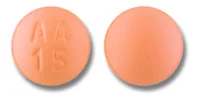 AA 15
Desipramine 100 mg
Pink, round, 10 mm
Used for depression and ADHD
-
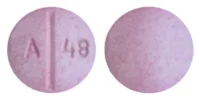 A 48
Oxycodone 10 mg
Pink, round, 6 mm
Used for postoperative pain
Schedule II
-
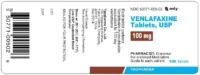 Y05
Venlafaxine Hydrochloride 100 mg
Pink, round, 10 mm
Used for depression and anxiety
-
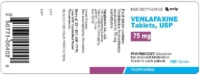 Y04
Venlafaxine Hydrochloride 75 mg
Pink, round, 9 mm
Used for depression and anxiety
-
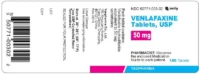 Y03
Venlafaxine Hydrochloride 50 mg
Pink, round, 8 mm
Used for depression and anxiety
-
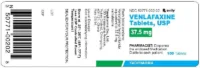 Y02
Venlafaxine Hydrochloride 37.5 mg
Pink, round, 7 mm
Used for depression and anxiety
Other Nifedipine pills
-
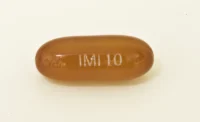 IMI 10
Nifedipine 10 mg
Brown & red, capsule, 10 mm
Used for high blood pressure and chest pain (angina)
-
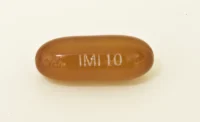 IMI 10
Nifedipine 10 mg
Red, oval, 20 mm
Used for high blood pressure and chest pain (angina)
-
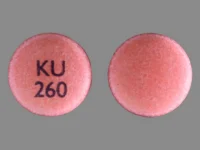 KU 260
Nifedipine 30 mg
Pink, round, 9 mm
Used for high blood pressure and chest pain (angina)
-
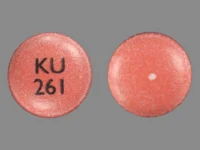 KU 261
Nifedipine 60 mg
Pink, round, 10 mm
Used for high blood pressure and chest pain (angina)
-
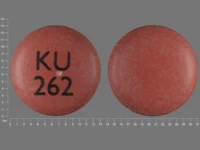 KU 262
Nifedipine 90 mg
Pink, round, 12 mm
Used for high blood pressure and chest pain (angina)
-
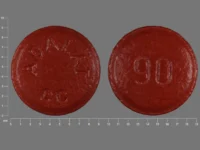 90 ADALAT CC
Nifedipine 90 mg
Pink, round, 15 mm
Used for high blood pressure and chest pain (angina)
- 497 Nifedipine 10 mg Yellow, capsule, 18 mm Used for high blood pressure and chest pain (angina)
- R 497 Nifedipine 10 mg Yellow, capsule, 18 mm Used for high blood pressure and chest pain (angina)